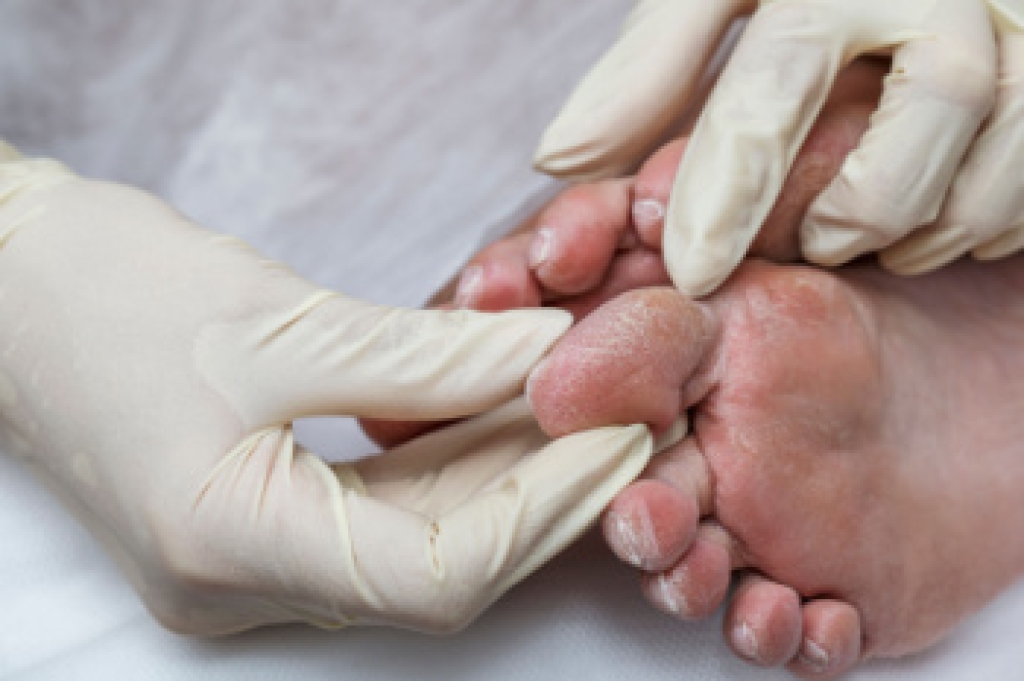
How Diabetes Can Affect the Feet

Diabetes can affect the feet in ways that are easy to miss. High blood sugar can damage nerves, which reduces the ability to feel pain, heat, or pressure. It can also narrow blood vessels and limit the flow of oxygen-rich blood needed for healing. As a result, a blister, cut, or sore may worsen before a patient notices it. Dry skin and changes in foot shape can create added pressure. Without prompt care, a small wound can develop into an ulcer or infection, and raise the risk of limb loss.

Regular podiatric visits are an important part of diabetic foot care. A podiatrist can check the skin, nails, and spaces between the toes. The examination also includes testing sensation and checking circulation. These steps help identify nerve damage, poor blood flow, or areas exposed to excess pressure. A podiatrist can safely trim thick toenails and treat corns or calluses that could break down. Care can also include guidance on shoes that fit correctly and provide proper support. Custom orthotics can improve weight distribution and protect areas at greater risk for sores.

Patients with diabetes should receive prompt professional attention for any foot change. Warning signs include swelling, redness, or unusual warmth. Other concerns are drainage, a lasting sore, or new numbness. A podiatrist can clean and dress a wound, remove unhealthy tissue, and reduce pressure on the affected area. This foot doctor can also monitor healing and coordinate care when poor circulation or infection is present. Early treatment can protect mobility and make it easier to remain active without avoidable pain. Regular examinations can uncover problems before they become harder to manage. They also give patients clear guidance based on their circulation, nerve health, and foot structure. If you have foot problems related to diabetes, it is suggested that you are under the care of a podiatrist who can help you to manage this serious condition. 

Diabetic foot care is important in preventing foot ailments such as ulcers. If you are suffering from diabetes or have any other concerns about your feet, contact Richard Galperin, DPM from Texas. Our doctor can provide the care you need to keep you pain-free and on your feet.

Diabetic Foot Care

Diabetes affects millions of people every year. The condition can damage blood vessels in many parts of the body, especially the feet. Because of this, taking care of your feet is essential if you have diabetes, and having a podiatrist help monitor your foot health is highly recommended.

The Importance of Caring for Your Feet

  • Routinely inspect your feet for bruises or sores.
  • Wear socks that fit your feet comfortably.
  • Wear comfortable shoes that provide adequate support.

Patients with diabetes should have their doctor monitor their blood levels, as blood sugar levels play such a huge role in diabetic care. Monitoring these levels on a regular basis is highly advised.

It is always best to inform your healthcare professional of any concerns you may have regarding your feet, especially for diabetic patients. Early treatment and routine foot examinations are keys to maintaining proper health, especially because severe complications can arise if proper treatment is not applied.

If you have any questions, please feel free to contact our office located in Oak Cliff area of Dallas, TX . We offer the newest diagnostic and treatment technologies for all your foot care needs.

Read more about Diabetic Foot Care

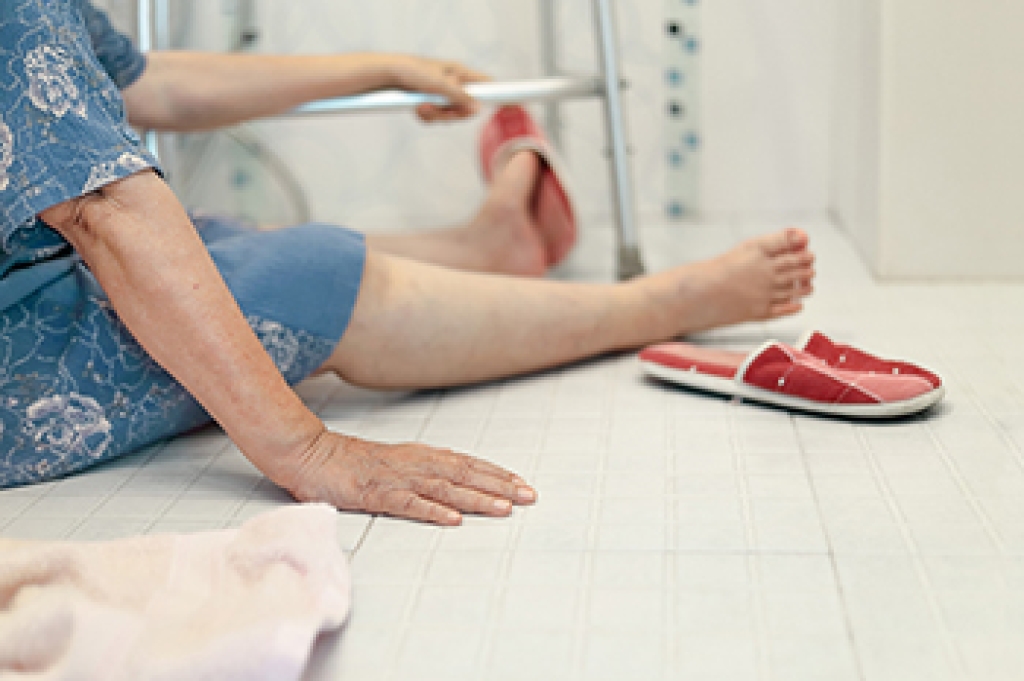
How Proper Footwear Helps Prevent Falls

Falls are a major concern for older adults, often leading to injuries that affect mobility and independence. Foot health plays an important role in maintaining balance and stability. The feet provide a foundation for standing and walking, helping the body adjust to uneven surfaces. When foot pain, weakness, or reduced sensation develops, maintaining balance may become more difficult. Conditions such as arthritis, bunions, and nerve damage may affect how the feet function during everyday activities. Poorly fitting footwear may also increase the risk of slipping or losing stability. Shoes that lack proper support or have worn soles may make walking less secure. Understanding the connection between foot health and fall prevention is important for individuals experiencing changes in mobility as they age.


Several foot-related problems increase the likelihood of falls. Persistent foot pain sometimes causes individuals to change their walking patterns, affecting balance and coordination. Reduced sensation in the feet, often associated with peripheral neuropathy, makes it harder to detect changes in the ground beneath them. Limited ankle movement or weakened foot muscles often interfere with stability. Footwear is another important consideration in falls prevention. Shoes with secure fastenings, supportive heels, and slip-resistant soles provide greater stability during movement. In contrast, loose-fitting shoes or footwear with poor traction increase the risk of stumbling. Changes in foot shape, including painful toe deformities, also make finding supportive footwear more difficult. These problems sometimes develop gradually, making changes in walking ability less noticeable. Recognizing foot discomfort and balance difficulties helps identify factors that contribute to falls.


Podiatric care supports falls prevention by identifying foot problems that affect walking, balance, and stability. A podiatrist evaluates foot structure, joint mobility, and areas of discomfort to determine whether these factors contribute to an increased risk of falling. During an examination, the podiatrist may assess walking patterns and review footwear for proper fit and support. Depending on the findings, treatment may address painful foot conditions, improve pressure distribution, or provide recommendations for supportive footwear. Custom orthotics may also be prescribed when additional foot support is appropriate. Podiatric care focuses on maintaining comfortable movement and addressing physical limitations that may affect stability. Regular evaluations are particularly valuable for older adults experiencing changes in foot function. If you are experiencing foot pain, balance difficulties, or concerns about falling, it is suggested that you consult a podiatrist for an evaluation and appropriate falls-prevention care.

Preventing falls among the elderly is very important. If you are older and have fallen or fear that you are prone to falling, consult with Richard Galperin, DPM from Texas. Our doctor will assess your condition and provide you with quality advice and care.

Every 11 seconds, an elderly American is being treated in an emergency room for a fall related injury. Falls are the leading cause of head and hip injuries for those 65 and older. Due to decreases in strength, balance, senses, and lack of awareness, elderly persons are very susceptible to falling. Thankfully, there are a number of things older persons can do to prevent falls.

How to Prevent Falls

Some effective methods that older persons can do to prevent falls include:

  • Enrolling in strength and balance exercise program to increase balance and strength
  • Periodically having your sight and hearing checked
  • Discuss any medications you have with a doctor to see if it increases the risk of falling
  • Clearing the house of falling hazards and installing devices like grab bars and railings
  • Utilizing a walker or cane
  • Wearing shoes that provide good support and cushioning
  • Talking to family members about falling and increasing awareness

Falling can be a traumatic and embarrassing experience for elderly persons; this can make them less willing to leave the house, and less willing to talk to someone about their fears of falling. Doing such things, however, will increase the likelihood of tripping or losing one’s balance. Knowing the causes of falling and how to prevent them is the best way to mitigate the risk of serious injury.  

If you have any questions, please feel free to contact our office located in Oak Cliff area of Dallas, TX . We offer the newest diagnostic and treatment technologies for all your foot care needs.

Read more about Falls Prevention

Podiatrists Can Treat Pickleball Foot and Ankle Injuries

Pickleball injuries are often the result of  quick starts, stops, and sharp side-to-side movements. These common actions place stress on the feet and ankles. Ankle sprains can happen when the foot rolls inward or outward. Achilles tendon strains and tears can result from pushing off quickly. Players can develop heel pain, broken toes, or fractures in the long bones of the foot. Repeated pressure can lead to toenail damage or stress fractures, which are small cracks in a bone. Risk increases when players return to activity too quickly after a break or play on a slippery court.

Proper preparation can lower the chance of injury. A warm-up helps prepare the muscles, tendons, and joints for fast movement. Because running shoes are made mainly for forward motion, they may not offer enough stability for pickleball.  Players should wear court shoes that fit and provide good side-to-side support. Worn-out soles can reduce traction and support. A podiatrist can examine a player’s foot structure, walking pattern, and pressure points. Based on the findings, the podiatrist can recommend suitable shoes, custom orthotics, or activity changes. These steps can improve balance and reduce strain while allowing players to enjoy the game.

Pain, swelling, or difficulty placing weight on the foot should not be ignored. A popping sound, sudden weakness, or a visible change in shape can signal an injury. A podiatrist can perform an examination and order imaging tests to determine whether a bone, tendon, or ligament has been damaged. Treatment includes bracing, immobilization, or other care based on the injury. Early diagnosis can prevent the problem from becoming worse and guide a safe return to the court. It also helps patients avoid changing how they walk, which can create pain elsewhere. If you have injured your foot or ankle while playing pickleball, it is suggested that you schedule an appointment with a podiatrist for effective relief and treatment solutions, enabling you to return to this popular sport.

Sports related foot and ankle injuries require proper treatment before players can go back to their regular routines. For more information, contact Richard Galperin, DPM of Texas. Our doctor can provide the care you need to keep you pain-free and on your feet.

Sports Related Foot and Ankle Injuries

Foot and ankle injuries are a common occurrence when it comes to athletes of any sport. While many athletes dismiss the initial aches and pains, the truth is that ignoring potential foot and ankle injuries can lead to serious problems. As athletes continue to place pressure and strain the area further, a mild injury can turn into something as serious as a rupture and may lead to a permanent disability. There are many factors that contribute to sports related foot and ankle injuries, which include failure to warm up properly, not providing support or wearing bad footwear. Common injuries and conditions athletes face, including:

  • Plantar Fasciitis
  • Achilles Tendinitis
  • Achilles Tendon Rupture
  • Ankle Sprains

Sports related injuries are commonly treated using the RICE method. This includes rest, applying ice to the injured area, compression and elevating the ankle. More serious sprains and injuries may require surgery, which could include arthroscopic and reconstructive surgery. Rehabilitation and therapy may also be required in order to get any recovering athlete to become fully functional again. Any unusual aches and pains an athlete sustains must be evaluated by a licensed, reputable medical professional.

If you have any questions please contact our office located in Oak Cliff area of Dallas, TX . We offer the newest diagnostic and treatment technologies for all your foot and ankle needs.

Read more about Sports Related Foot And Ankle Injuries
Advanced Podiatric Procedures & Services in the areas