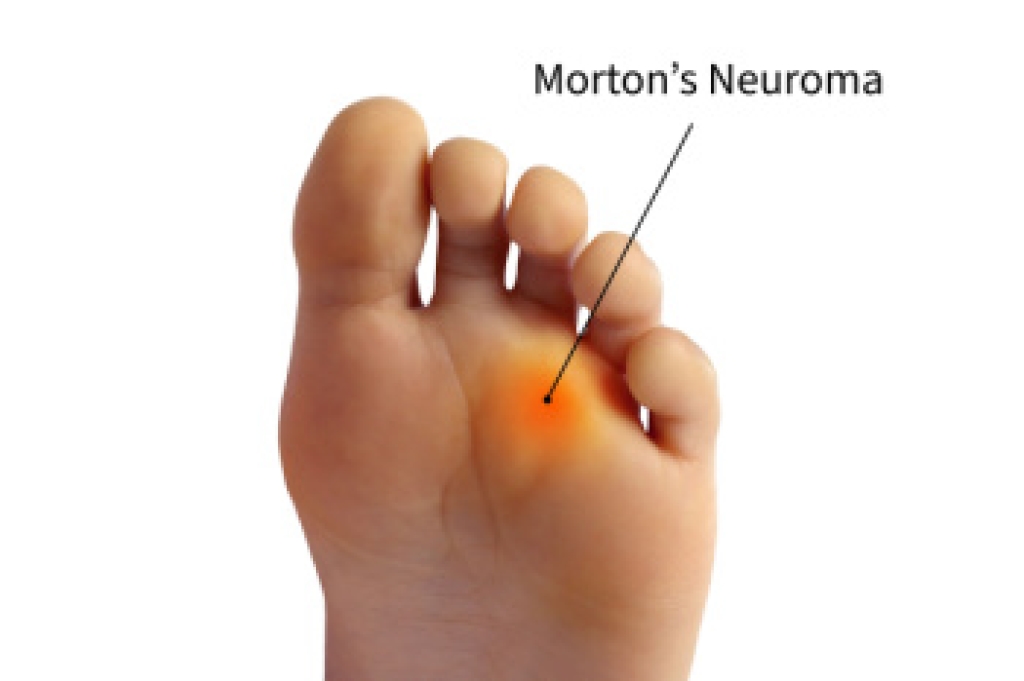
Manging Morton’s Neuroma

Morton’s neuroma is a painful condition that affects the nerve between the toes, usually between the third and fourth toes. It occurs when the tissue surroudning the nerve thickens, often due to pressure or irritation, causing sharp, burning pain, numbness, or tingling in the ball of the foot. It might feel like there is a pebble in your shoe, and you may notice swelling between the toes or have difficulty in walking. The condition is often caused by wearing tight, narrow shoes, high heels, or engaging in activities that put repetitive stress on the feet. If left untreated, Morton’s neuroma can worsen, making it more difficult to perform daily activities. Treatment options include rest, anti-inflammatory medications, and wearing wider shoes with cushioned insoles. A podiatrist can offer customized orthotics, recommend corticosteroid injections to reduce inflammation, or even suggest minimally invasive surgery, in more severe cases. If you have foot pain or discomfort, it is suggested that you schedule an appointment with a podiatrist for an accurate diagnosis and effective treatment plan.

Morton’s neuroma is a very uncomfortable condition to live with. If you think you have Morton’s neuroma, contact Richard Galperin, DPM of Texas. Our doctor will attend to all of your foot care needs and answer any of your related questions.  

Morton’s Neuroma

Morton's neuroma is a painful foot condition that commonly affects the areas between the second and third or third and fourth toe, although other areas of the foot are also susceptible. Morton’s neuroma is caused by an inflamed nerve in the foot that is being squeezed and aggravated by surrounding bones.

What Increases the Chances of Having Morton’s Neuroma?

  • Ill-fitting high heels or shoes that add pressure to the toe or foot
  • Jogging, running or any sport that involves constant impact to the foot
  • Flat feet, bunions, and any other foot deformities

Morton’s neuroma is a very treatable condition. Orthotics and shoe inserts can often be used to alleviate the pain on the forefront of the feet. In more severe cases, corticosteroids can also be prescribed. In order to figure out the best treatment for your neuroma, it’s recommended to seek the care of a podiatrist who can diagnose your condition and provide different treatment options.

If you have any questions, please feel free to contact our office located in Dallas, TX . We offer the newest diagnostic and treatment technologies for all your foot care needs.

Read more about Morton's Neuroma

Prevent Injury and Fatigue With Custom Orthotics

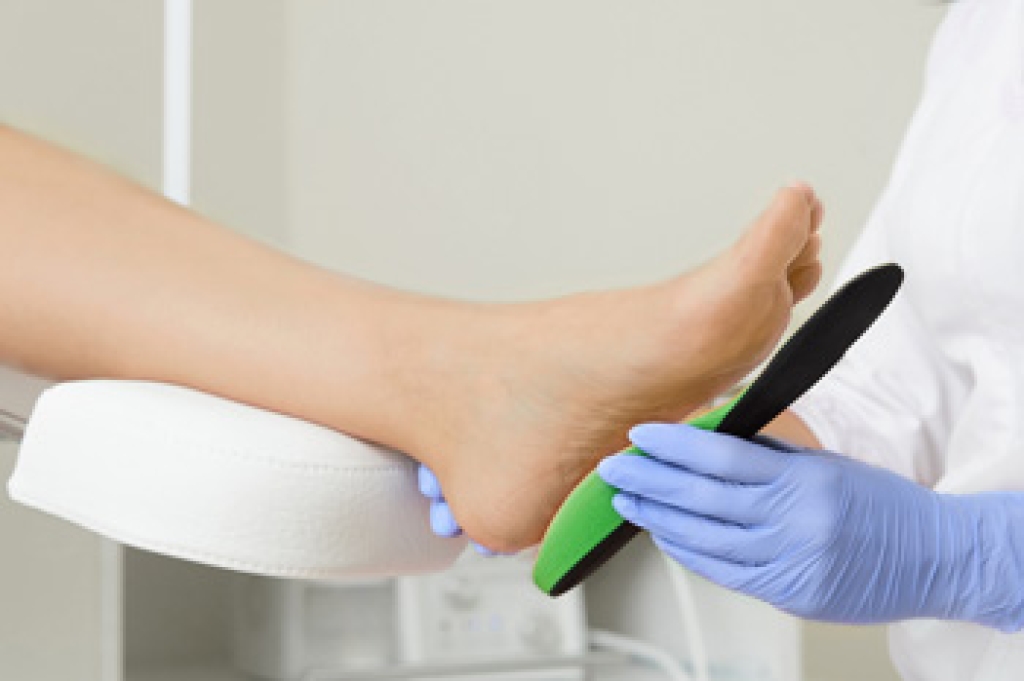
Custom Orthotics aren't just about comfort; they're your shield against injury and fatigue. By aligning your feet just right, they reduce strain on muscles and joints, ensuring you stay active longer without the usual wear and tear. Whether you're an athlete pushing limits or someone seeking day-to-day ease, Custom Orthotics offer the support you need. Don't let fatigue set the pace; with Custom Orthotics, you're always one step ahead. Call today for more information.

Why Your Feet Rebels With Bunions

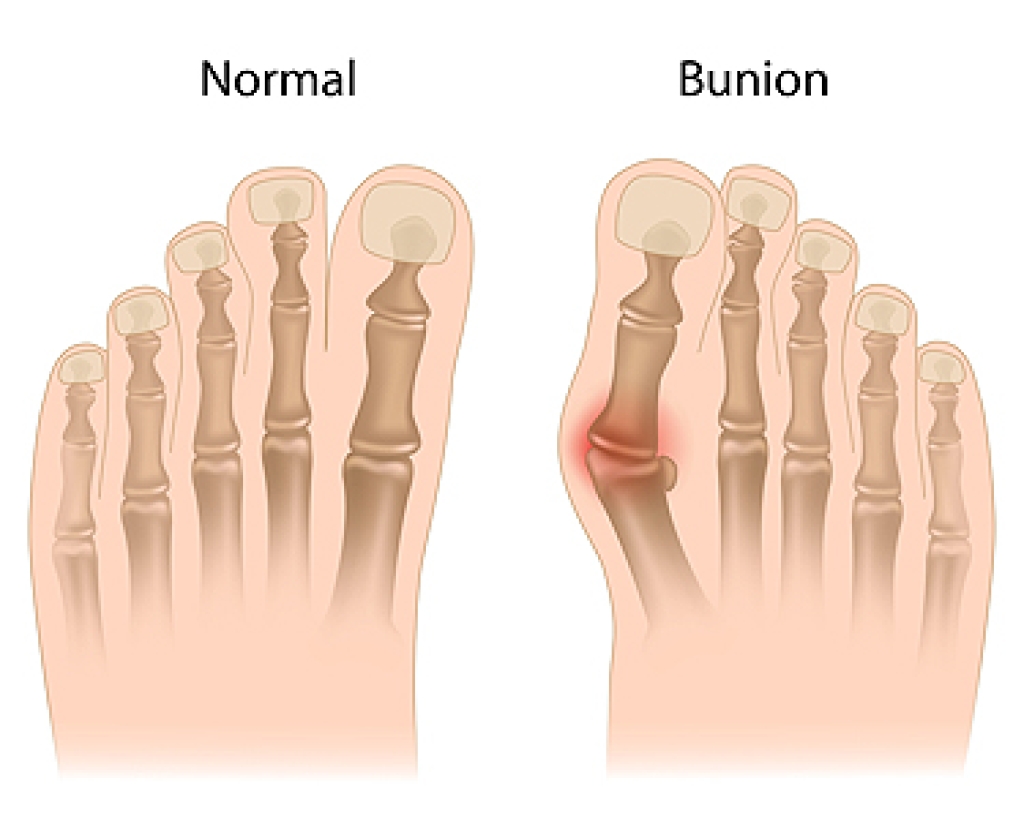
A bunion is not just a bump on the side of the foot. It is your foot’s way of protesting years of pressure, wearing poor footwear, or genetic predisposition. This bony misalignment at the base of the big toe develops gradually, often starting as mild discomfort before turning into persistent pain. Shoes that once fit perfectly start to feel tight, and walking can become a struggle. Beyond appearance, bunions can affect balance, alter gait, and lead to secondary problems like corns, calluses, and joint stiffness. While wider shoes, padding, and toe spacers can ease symptoms, they do not fix the underlying issue. Severe bunions may require corrective surgery to realign the toe and restore function. Ignoring the pain will not make it disappear. If a bunion is interfering with your daily life, it is suggested that you see a podiatrist for options to relieve discomfort and prevent further damage.

If you are suffering from bunions, contact Richard Galperin, DPM of Texas. Our doctor can provide the care you need to keep you pain-free and on your feet.

What Is a Bunion?

A bunion is formed of swollen tissue or an enlargement of boney growth, usually located at the base joint of the toe that connects to the foot. The swelling occurs due to the bones in the big toe shifting inward, which impacts the other toes of the foot. This causes the area around the base of the big toe to become inflamed and painful.

Why Do Bunions Form?

Genetics – Susceptibility to bunions are often hereditary

Stress on the feet – Poorly fitted and uncomfortable footwear that places stress on feet, such as heels, can worsen existing bunions

How Are Bunions Diagnosed?

Doctors often perform two tests – blood tests and x-rays – when trying to diagnose bunions, especially in the early stages of development. Blood tests help determine if the foot pain is being caused by something else, such as arthritis, while x-rays provide a clear picture of your bone structure to your doctor.

How Are Bunions Treated?

  • Refrain from wearing heels or similar shoes that cause discomfort
  • Select wider shoes that can provide more comfort and reduce pain
  • Anti-inflammatory and pain management drugs
  • Orthotics or foot inserts
  • Surgery

If you have any questions, please feel free to contact our office located in Dallas, TX . We offer the newest diagnostic and treatment technologies for all your foot care needs.
Read more about What Are Bunions?

Custom Orthotics for Conservative Treatment of Morton’s Neuroma

Custom orthotics can provide effective relief for Morton’s neuroma, a painful condition caused by nerve compression in the ball of the foot. Custom orthotics are designed to alleviate pressure on the affected area by redistributing weight and cushioning the forefoot. They can also include metatarsal pads or bars to help spread the metatarsal bones, reducing irritation of the nerve and easing discomfort. By addressing the root cause of nerve compression, orthotics often help patients avoid or delay the need for invasive treatments like injections or surgery. They are especially beneficial for people who stand, walk, or engage in activities that aggravate the condition. Combined with proper footwear and activity modifications, orthotics can significantly improve symptoms. If you are experiencing pain from Morton’s neuroma, it is suggested that you consult a podiatrist to confirm the diagnosis, discuss orthotic options, and develop a personalized treatment plan.

Custom orthotics are specialized shoe inserts created to support and align the feet according to each person’s unique structure and walking pattern. They are an effective way to relieve foot discomfort caused by conditions such as flat feet, high arches, plantar fasciitis, bunions, and heel pain. When the natural alignment of the foot is off balance, it can lead to pressure points, strain, and pain that affect how a person stands, walks, and moves. Orthotics work by redistributing weight evenly and supporting the arch to reduce stress on the muscles, tendons, and joints of the feet and lower legs.

Foot discomfort can develop for many reasons, including wearing improper footwear, long hours of standing, repetitive motion, or underlying structural problems. Over time, this discomfort can extend beyond the feet, contributing to knee, hip, or lower back pain. Custom orthotics help correct these issues by improving alignment and promoting more efficient movement. They are made using precise measurements and imaging to ensure the best fit for each patient, providing targeted support and cushioning where it is needed most.

Unlike generic insoles, custom orthotics are durable, medically designed, and tailored to your specific needs. Whether you are managing chronic pain, recovering from an injury, or simply seeking better comfort and stability, orthotics can make a noticeable difference in how your feet feel throughout the day.

If you are experiencing persistent foot discomfort or fatigue, it may be time to have your feet evaluated by a podiatrist. Call our office today for more information or to schedule an appointment.

If you have any questions, please feel free to contact our office located in Dallas, TX

Read more about Investing in Custom Orthotics Means Investing in Foot Health

Symptoms and Risk Factors of Heel Spurs

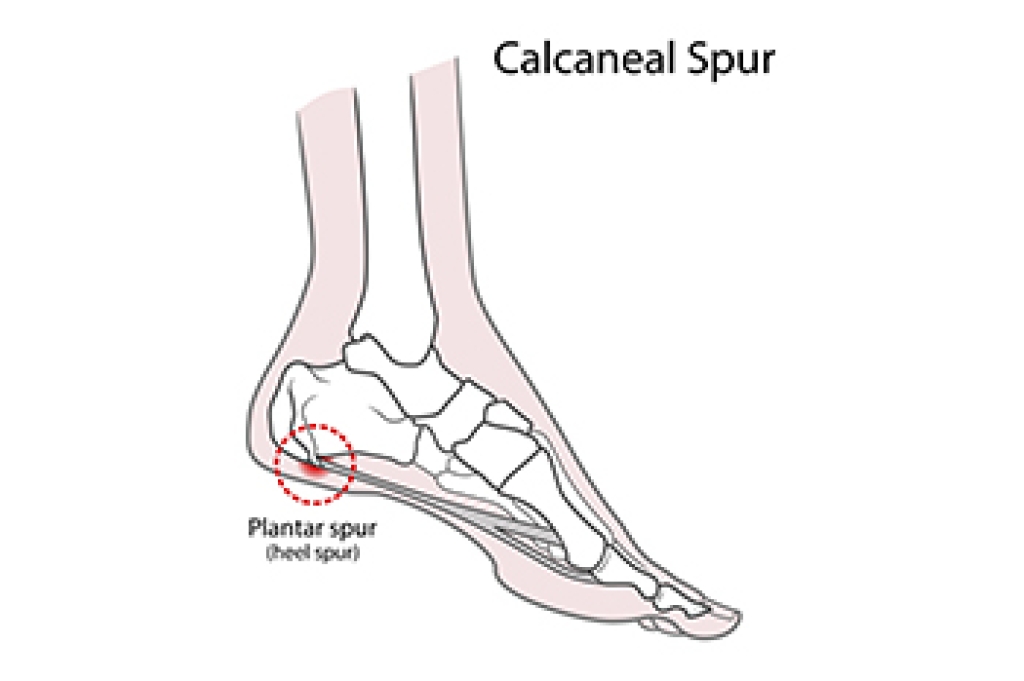
A heel spur is a bony growth that forms on the underside of the heel bone, often caused by long-term strain on the foot’s ligaments and muscles. This condition usually develops as a result of repetitive stress, such as excessive walking or running, which can lead to inflammation and the formation of calcium deposits. The primary symptom of a heel spur is sharp pain, especially when standing or walking after long periods of rest. The pain may decrease as the foot warms up, but it can return with prolonged activity. Risk factors for developing a heel spur include having flat feet, being overweight, wearing poorly fitting shoes, or engaging in activities that put excessive pressure on the feet, like running on hard surfaces. Additionally, people with conditions like arthritis or diabetes may also be at a higher risk. If you have heel pain, it is suggested that you consult a podiatrist who can provide an accurate diagnosis and appropriate treatment.

Heel spurs can be incredibly painful and sometimes may make you unable to participate in physical activities. To get medical care for your heel spurs, contact Richard Galperin, DPM from Texas. Our doctor will do everything possible to treat your condition.

Heels Spurs

Heel spurs are formed by calcium deposits on the back of the foot where the heel is. This can also be caused by small fragments of bone breaking off one section of the foot, attaching onto the back of the foot. Heel spurs can also be bone growth on the back of the foot and may grow in the direction of the arch of the foot.

Older individuals usually suffer from heel spurs and pain sometimes intensifies with age. One of the main condition's spurs are related to is plantar fasciitis.

Pain

The pain associated with spurs is often because of weight placed on the feet. When someone is walking, their entire weight is concentrated on the feet. Bone spurs then have the tendency to affect other bones and tissues around the foot. As the pain continues, the feet will become tender and sensitive over time.

Treatments

There are many ways to treat heel spurs. If one is suffering from heel spurs in conjunction with pain, there are several methods for healing. Medication, surgery, and herbal care are some options.

If you have any questions, please feel free to contact our office located in Dallas, TX . We offer the newest diagnostic and treatment technologies for all your foot care needs.
Read more about Heel Spurs
scroll to top