Why Certain Heel and Foot Tendon Injuries Need Different Care

Pain along the back of the heel or through the foot is often blamed on a single tendon problem, but there are important differences that affect treatment. One condition commonly involves short-term irritation of a tendon, such as the Achilles tendon, often triggered by a sudden increase in walking, running, or standing. This type of injury is linked to inflammation and may improve with rest and activity changes. Another condition develops gradually and reflects long-standing wear within the tendon fibers themselves. In this situation, the tissue becomes weaker and less flexible, especially in the Achilles tendon or tendons supporting the arch. Treating both problems the same way can slow healing and prolong discomfort. Identifying which process is present helps guide appropriate care and recovery strategies. If heel or foot tendon pain persists, it is suggested that you see a podiatrist for a full exam and appropriate treatment.

Achilles tendon injuries need immediate attention to avoid future complications. If you have any concerns, contact Richard Galperin, DPM of Texas. Our doctor can provide the care you need to keep you pain-free and on your feet.

What Is the Achilles Tendon?

The Achilles tendon is a tendon that connects the lower leg muscles and calf to the heel of the foot. It is the strongest tendon in the human body and is essential for making movement possible. Because this tendon is such an integral part of the body, any injuries to it can create immense difficulties and should immediately be presented to a doctor.

What Are the Symptoms of an Achilles Tendon Injury?

There are various types of injuries that can affect the Achilles tendon. The two most common injuries are Achilles tendinitis and ruptures of the tendon.

Achilles Tendinitis Symptoms

  • Inflammation
  • Dull to severe pain
  • Increased blood flow to the tendon
  • Thickening of the tendon

Rupture Symptoms

  • Extreme pain and swelling in the foot
  • Total immobility

Treatment and Prevention

Achilles tendon injuries are diagnosed by a thorough physical evaluation, which can include an MRI. Treatment involves rest, physical therapy, and in some cases, surgery. However, various preventative measures can be taken to avoid these injuries, such as:

  • Thorough stretching of the tendon before and after exercise
  • Strengthening exercises like calf raises, squats, leg curls, leg extensions, leg raises, lunges, and leg presses

If you have any questions please feel free to contact our office located in Oak Cliff area of Dallas, TX . We offer the newest diagnostic tools and technology to treat your foot and ankle needs.

Read more about What are Achilles Tendon Injuries

Why Live with Pain and Numbness in Your Feet?

Suffering from this type of pain? You may have the foot condition known as Morton's neuroma. Morton's neuroma may develop as a result of ill-fitting footwear and existing foot deformities. We can help.

The Importance of Good Foot Care in the Elderly

Good foot care in the elderly plays a vital role in preventing common foot problems and maintaining independence. Routine care helps reduce the development of corns, bunions, and painful skin or nail conditions that can interfere with walking. Healthy feet also improve balance and stability, which lowers the risk of falls and related injuries. When foot discomfort is addressed early, mobility improves, and overall well-being is enhanced, supporting an active and confident lifestyle. A podiatrist can provide regular foot evaluations, manage chronic conditions, treat painful deformities, and offer guidance on proper footwear and foot hygiene. If you or a loved one is experiencing foot pain or mobility concerns, it is suggested that you consult a podiatrist to protect foot health and support safe, comfortable movement at every stage of aging.

Proper foot care is something many older adults forget to consider. If you have any concerns about your feet and ankles, contact Richard Galperin, DPM from Texas. Our doctor can provide the care you need to keep you pain-free and on your feet.

The Elderly and Their Feet

As we age we start to notice many changes in our body, but the elder population may not notice them right away. Medical conditions may prevent the elderly to take notice of their foot health right away. Poor vision is a lead contributor to not taking action for the elderly.

Common Conditions 

  • Neuropathy – can reduce feeling in the feet and can hide many life-threatening medical conditions.
  • Reduced flexibility – prevents the ability of proper toenail trimming, and foot cleaning. If left untreated, it may lead to further medical issues.
  • Foot sores – amongst the older population can be serious before they are discovered. Some of the problematic conditions they may face are:
  • Gouging toenails affecting nearby toe
  • Shoes that don’t fit properly
  • Pressure sores
  • Loss of circulation in legs & feet
  • Edema & swelling of feet and ankles

Susceptible Infections

Diabetes and poor circulation can cause general loss of sensitivity over the years, turning a simple cut into a serious issue.

If you have any questions, please feel free to contact our office located in Oak Cliff area of Dallas, TX . We offer the newest diagnostic and treatment technologies for all your foot care needs.

Read more about Taking Care of Elderly Feet

Top 5 Benefits of Custom Orthotics

Discover the long-term benefits of orthotics! Tailored to your unique foot structure, Custom Orthotics ensure every step radiates comfort and helps reduce foot and heel pain. Beyond comfort, they enhance your posture, allowing you to stand taller and walk with confidence. Whether you're casually strolling or actively running, they can elevate your performance. Call our office today and see if Custom Orthotics are right for you.

When Your Child Needs a Foot or Ankle Brace

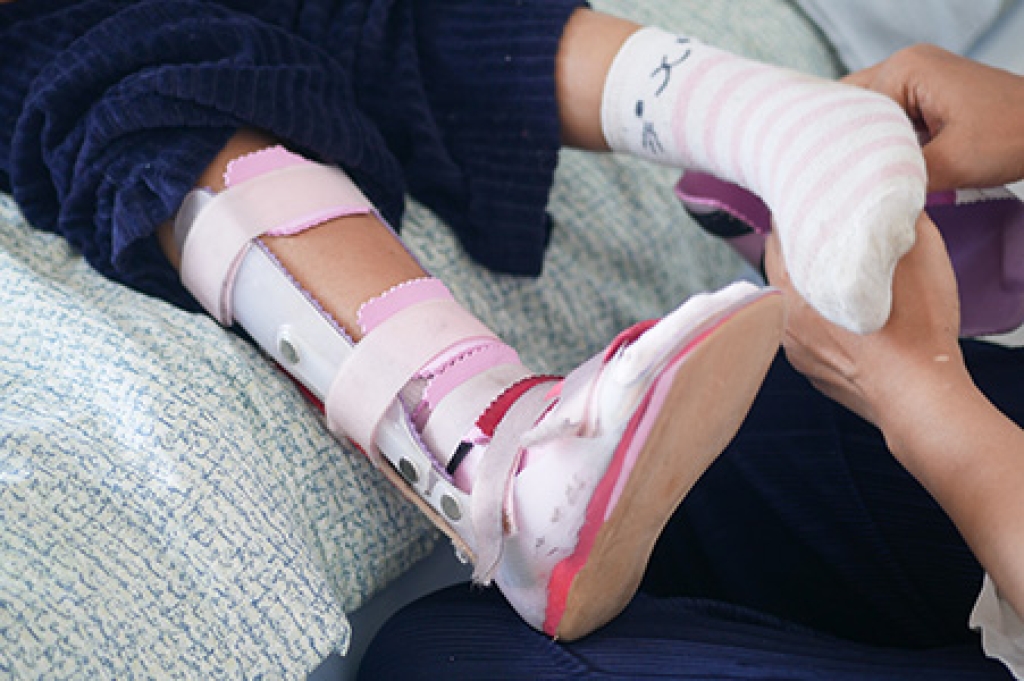
Braces are sometimes needed when a child has a foot or ankle condition that affects balance, walking, or the position of the toes. A brace can help guide the foot into a better alignment and support the ankle as the child grows. Some children who have flat feet, tight muscles, clubfoot, or ankle instability benefit from braces that connect to the shoe and keep the foot straight. Wearing a brace can feel unusual at first, and children need time to adapt, especially if they are used to softer shoes or flip-flops. A podiatrist can examine the feet, check for rubbing around the toes, and prescribe the appropriate brace so it fits correctly. A podiatrist can also monitor progress and decide how long the brace should be worn. If your child is suffering from a foot or ankle abnormality, it is suggested that you schedule an appointment with a podiatrist for a diagnosis and appropriate treatment.

The health of a child’s feet is vital to their overall well-being. If you have any questions regarding foot health, contact Richard Galperin, DPM of Texas. Our doctor can provide the care you need to keep you pain-free and on your feet.

Tips for Keeping Children's Feet Healthy

  • Make sure their shoes fit properly
  • Look for any signs of in-toeing or out-toeing
  • Check to see if they have Clubfoot (condition that affects your child’s foot and ankle, twisting the heel and toes inward) which is one of the most common nonmajor birth defects.
  • Lightly cover your baby’s feet (Tight covers may keep your baby from moving their feet freely, and could prevent normal development)
  • Allow your toddler to go shoeless (Shoes can be restricting for a young child’s foot)
  • Cut toenails straight across to avoid ingrown toenails
  • Keep your child’s foot clean and dry
  • Cover cuts and scrapes. Wash any scratches with soap and water and cover them with a bandage until they’ve healed.

If you have any questions, please feel free to contact our office located in Oak Cliff area of Dallas, TX . We offer the newest diagnostic and treatment technologies for all your foot care needs.

Read more about What to Do to Keep Your Child’s Feet Healthy

Finding Pain Relief With Orthotics

Foot pain can come from flat feet, high arches, bunions, arthritis, or past injury. These causes can lead to heel pain, arch pain, ankle strain, tired legs, and pain that travels to the knees or hips. Poor foot support can change how the body moves and place stress on joints and soft tissue. Orthotics can help by supporting the arch, improving alignment, and spreading pressure across the foot. This support can reduce strain and help the body move with better balance during walking or standing. People who stand or walk for long hours may feel swelling, burning, or stiffness when the feet are not supported. Numbness and loss of control may also occur during long periods on hard surfaces. If foot pain is limiting your daily life, it is suggested that you schedule an appointment to see how podiatric treatment and orthotics can help restore comfort and movement.

Our feet carry us through every part of life, absorbing the impact of thousands of steps each day. When they are not properly supported, the effects can extend far beyond the feet themselves. Custom orthotics provide the foundation the body needs by aligning, cushioning, and stabilizing each foot in its most natural position. They are carefully crafted to match the unique structure of each individual’s feet, allowing them to move efficiently and comfortably while reducing stress on the muscles, joints, and ligaments.

Proper foot support is essential for maintaining balance and preventing fatigue. Without it, the body compensates by shifting weight unevenly, which can lead to discomfort in the ankles, knees, hips, or lower back. Custom orthotics help restore this balance by redistributing pressure and promoting a more natural walking pattern. They not only ease existing pain but also protect against future strain or injury by supporting the arches and controlling excessive motion.

Unlike store-bought insoles, custom orthotics are created through detailed assessment and advanced technology to provide precise correction and comfort. They fit seamlessly into most shoes, making them ideal for daily wear, work, or sports.

If your feet feel tired, sore, or unsupported, it is recommended that you contact our office for more information, or to make an appointment.

If you have any questions please contact our office located in Oak Cliff area of Dallas, TX

Read more about Sole Marketing Foot Discomfort

Bunions and Running

Running can place repeated pressure on the big toe joint, which is especially challenging for people with bunions. A bunion is a bony bump that forms at the base of the big toe where it connects to the foot. As the big toe shifts inward, the joint becomes enlarged, irritated, and painful during push-off. Standard running shoes with a narrow toe box can increase friction and crowd the toes, worsening discomfort and joint stress. In contrast, running shoes designed for people with bunions often have a wider toe box to reduce rubbing, softer or stretchable upper materials to decrease pressure, and strong arch support to help distribute body weight more evenly across the foot. Proper cushioning can limit strain on the front of the foot. A podiatrist can assess foot structure and recommend appropriate footwear or custom orthotics to improve alignment and reduce pain. If you have foot or ankle pain after running, it is suggested that you schedule an appointment with a podiatrist for an exam, diagnosis, and appropriate treatment.

If you are suffering from bunion pain, contact Richard Galperin, DPM of Texas. Our doctor can provide the care you need to keep you pain-free and on your feet.

What Is a Bunion?

Bunions are painful bony bumps that usually develop on the inside of the foot at the joint of the big toe. As the deformity increases over time, it may become painful to walk and wear shoes. Women are more likely to exacerbate existing bunions since they often wear tight, narrow shoes that shift their toes together. Bunion pain can be relieved by wearing wider shoes with enough room for the toes.

Causes

  • Genetics – some people inherit feet that are more prone to bunion development
  • Inflammatory Conditions - rheumatoid arthritis and polio may cause bunion development

Symptoms

  • Redness and inflammation
  • Pain and tenderness
  • Callus or corns on the bump
  • Restricted motion in the big toe

In order to diagnose your bunion, your podiatrist may ask about your medical history, symptoms, and general health. Your doctor might also order an x-ray to take a closer look at your feet. Nonsurgical treatment options include orthotics, padding, icing, changes in footwear, and medication. If nonsurgical treatments don’t alleviate your bunion pain, surgery may be necessary.

If you have any questions, please feel free to contact our office located in Oak Cliff area of Dallas, TX . We offer the newest diagnostic and treatment technologies for all your foot care needs.

Read more about Bunions

Facts About High Ankle Sprains

A high ankle sprain is an injury to the ligaments that connect the two lower leg bones above the ankle joint. It often involves the syndesmosis, a joint where two bones are connected by strong ligaments rather than by a typical moving joint capsule. It occurs when the foot is forced outward or twisted while the leg remains stable, commonly during sports or sudden directional changes. Symptoms include significant pain above the ankle, swelling, bruising, discoloration, and difficulty bearing weight. A severe sprain may cause instability and prolonged discomfort if not properly treated. Diagnosis is made through physical examination and imaging studies to assess ligament damage. A podiatrist can provide an accurate diagnosis, recommend bracing or rehabilitation, and guide recovery. If you have sprained your ankle, it is suggested that you consult a podiatrist who can offer effective relief and treatment solutions.

Although ankle sprains are common, they aren’t always minor injuries. If you need your ankle injury looked at, contact Richard Galperin, DPM from Texas. Our doctor can provide the care you need to keep you pain-free and on your feet.

How Does an Ankle Sprain Occur?

Ankle sprains are the result of a tear in the ligaments within the ankle. These injuries may happen when you make a rapid shifting movement while your foot is planted. A less common way to sprain your ankle is when your ankle rolls inward while your foot turns outward.

What Are the Symptoms?

  • Pain at the sight of the tear
  • Bruising/Swelling
  • Ankle area is tender to touch
  • In severe cases, may hear/feel something tear
  • Skin discoloration

Preventing a Sprain

  • Wearing appropriate shoes for the occasion
  • Stretching before exercises and sports
  • Knowing your limits

Treatment of a Sprain

In many cases, the RICE method (Rest, Ice, Compression, and Elevate) is used to treat ankle sprains. However, you should see a podiatrist to see which treatment option would work best with your injury. In severe cases, surgery may be required.

It is important to ask your doctor about rehab options after you receive treatment for your injury. Stretching, strength training, and balance exercises may help the ankle heal while also preventing further injury.

If you have any questions, please feel free to contact our office located in Oak Cliff area of Dallas, TX . We offer the newest diagnostic and treatment technologies for all your foot care needs.

Read more about Ankle Sprains
Advanced Podiatric Procedures & Services in the areas