
Do you work on your feet all day and find your feet in pain? Don't go to work in pain each day. Your foot pain can be treated, and we can help.
Do you work on your feet all day and find your feet in pain? Don't go to work in pain each day. Your foot pain can be treated, and we can help.

A foot corn is a hard, cone-shaped bump of thickened skin that usually develops on the top surface of a smaller toe over a joint. Corns can also form along the pinky toe, especially where footwear creates repeated pressure. The thickened area develops as the skin protects itself from friction and stress. It can become painful when pressure pushes the hardened center into deeper tissue. Symptoms can include tenderness, aching, and pain while walking or wearing shoes.
The main causes of foot corns are repeated friction and pressure. Tight shoes can press against the toes, while a narrow toe box may force smaller toes into an uncomfortable position. Socks that bunch inside shoes can add rubbing. Toe deformities, including hammertoes, can also place a joint against the inside of footwear. The pinky toe is vulnerable because it can rub against the side of a shoe. People who spend long periods standing or walking may experience greater pressure.
A podiatrist can determine whether a corn is causing your discomfort and check for an underlying toe problem. Treatment may begin with gently removing excess thickened skin when appropriate. Your podiatrist may recommend wider shoes, protective padding, or custom orthotics to reduce pressure. Do not try to remove a corn yourself because this can injure healthy skin and cause an infection.
A painful foot corn should not be ignored. Changing footwear can help reduce pressure, but recurring corns may signal a structural issue that needs attention. A podiatrist can explain why the corn developed and create a treatment plan focused on healing and prevention. Properly fitted shoes can make walking easier while protecting your toes. Foot corns can be painful and may cause difficulty in completing daily activities. If you have a foot corn, it is suggested that you consult a podiatrist for effective relief and treatment solutions.
If you have any concerns regarding your feet and ankles, contact Richard Galperin, DPM of Texas. Our doctor will treat your foot and ankle needs.
Corns: What Are They? and How Do You Get Rid of Them?
Corns can be described as areas of the skin that have thickened to the point of becoming painful or irritating. They are often layers and layers of the skin that have become dry and rough, and are normally smaller than calluses.
Ways to Prevent Corns
There are many ways to get rid of painful corns such as wearing:
Treating Corns
Treatment of corns involves removing the dead skin that has built up in the specific area of the foot. Consult with Our doctor to determine the best treatment option for your case of corns.
If you have any questions, please feel free to contact our office located in Oak Cliff area of Dallas, TX . We offer the newest diagnostic and treatment technologies for all your foot care needs.
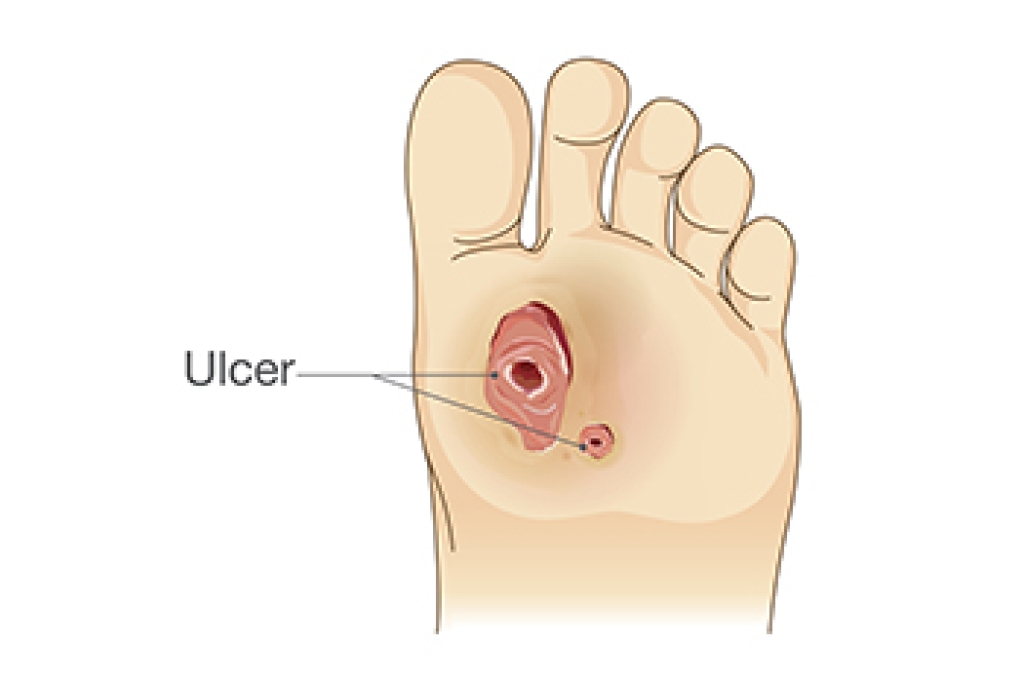
A foot ulcer is an open sore that develops on the skin of the foot and can extend deeper. These wounds can be difficult to heal when circulation or sensation is reduced. Common symptoms include redness, swelling, or an area that looks cracked or broken. An ulcer may begin as a blister or callus before becoming serious. Diabetic patients should pay close attention because nerve damage can make an injury difficult to feel.
Several risk factors can increase the chance of developing a foot ulcer. Diabetes, peripheral neuropathy, and previous ulcers are common concerns. Wearing ill-fitting shoes can create repeated pressure and friction. A hot spot is an area of the foot that feels unusually warm, irritated, or tender before the skin breaks down. Causes may include pressure from footwear, a callus, or prolonged walking. Identifying a hot spot early can help prevent a wound from developing.
Preventing foot ulcers starts with daily foot checks and properly fitted shoes. Keep feet clean and dry, moisturize dry skin without applying lotion between the toes, and avoid walking barefoot. Check for cuts, blisters, and hot spots. If you notice a wound, do not ignore it or attempt to remove surrounding tissue yourself. Prompt care can reduce complications.
A podiatrist will examine the ulcer, assess circulation and sensation, and determine how deep the wound is. Treatment may include cleaning the ulcer, removing unhealthy tissue, and reducing pressure with appropriate footwear or offloading devices. The podiatrist may also recommend imaging or coordinate care for infection, diabetes, or circulation problems when needed. Healing requires follow-up and careful home care. If you have a foot ulcer or a concerning hot spot, it is suggested that you are under the care of a podiatrist for effective relief and treatment solutions.
Wound care is an important part in dealing with diabetes. If you have diabetes and a foot wound or would like more information about wound care for diabetics, consult with Richard Galperin, DPM from Texas. Our doctor will assess your condition and provide you with quality foot and ankle treatment.
What Is Wound Care?
Wound care is the practice of taking proper care of a wound. This can range from the smallest to the largest of wounds. While everyone can benefit from proper wound care, it is much more important for diabetics. Diabetics often suffer from poor blood circulation which causes wounds to heal much slower than they would in a non-diabetic.
What Is the Importance of Wound Care?
While it may not seem apparent with small ulcers on the foot, for diabetics, any size ulcer can become infected. Diabetics often also suffer from neuropathy, or nerve loss. This means they might not even feel when they have an ulcer on their foot. If the wound becomes severely infected, amputation may be necessary. Therefore, it is of the upmost importance to properly care for any and all foot wounds.
How to Care for Wounds
The best way to care for foot wounds is to prevent them. For diabetics, this means daily inspections of the feet for any signs of abnormalities or ulcers. It is also recommended to see a podiatrist several times a year for a foot inspection. If you do have an ulcer, run the wound under water to clear dirt from the wound; then apply antibiotic ointment to the wound and cover with a bandage. Bandages should be changed daily and keeping pressure off the wound is smart. It is advised to see a podiatrist, who can keep an eye on it.
If you have any questions please contact our office located in Oak Cliff area of Dallas, TX . We offer the newest diagnostic and treatment technologies for all your foot and ankle needs.
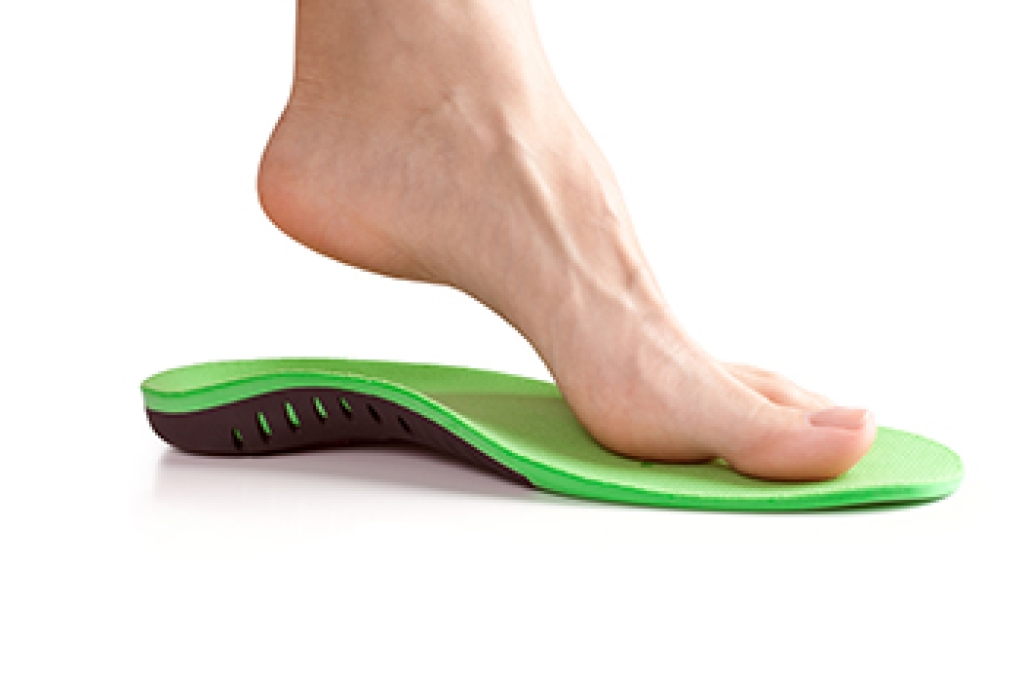
A custom-made foot orthotic is not just a device; it is a carefully designed remedy that sits subtly inside the shoe, with its main objective being to correct, support, and improve foot irregularities, thus optimizing foot function. These orthotics, when combined with suitable footwear, become instrumental in addressing a plethora of foot and lower limb problems. Individuals suffering from pronation disorders, persistent foot discomfort, plantar fasciitis, foot-related arthritis, and certain sports-induced injuries often find significant relief and improvement using these tailored insoles. The advantages of custom orthotics are vast, and for those contemplating their benefits, a visit to a qualified podiatrist for a comprehensive evaluation and consultation is suggested.
Custom orthotics play an important role in preventing and treating foot and ankle injuries by providing personalized support that aligns with the unique structure of each foot. These specially designed devices help correct biomechanical imbalances, reduce pressure on sensitive areas, and improve stability during movement. When the feet are properly supported, the risk of developing conditions such as plantar fasciitis, Achilles tendinitis, and ankle sprains can be significantly reduced. Custom orthotics also help relieve discomfort caused by having flat feet, high arches, or uneven leg length, which may contribute to recurring injuries or pain.
Foot and ankle injuries can develop gradually from repetitive strain or occur suddenly during physical activity. Without proper treatment, these injuries can affect mobility and overall quality of life. Orthotics work to redistribute weight evenly across the foot, allowing joints and muscles to function more efficiently. This not only supports recovery from injury but can also prevent future problems by promoting better posture and alignment throughout the lower body.
Unlike over-the-counter inserts, custom orthotics are designed based on a detailed evaluation of each patient’s foot structure, gait, and medical needs. Podiatrists use advanced imaging and diagnostic tools to create orthotics that fit precisely and provide targeted correction. Whether used in everyday footwear or athletic shoes, custom orthotics can improve comfort, enhance performance, and support long-term foot health.
If you are experiencing foot or ankle pain or have sustained an injury that has not improved with rest, it is suggested that you schedule an appointment with a podiatrist. Call our office for more information or to make an appointment.
If you have any questions, please feel free to contact our office located in Oak Cliff area of Dallas, TX .
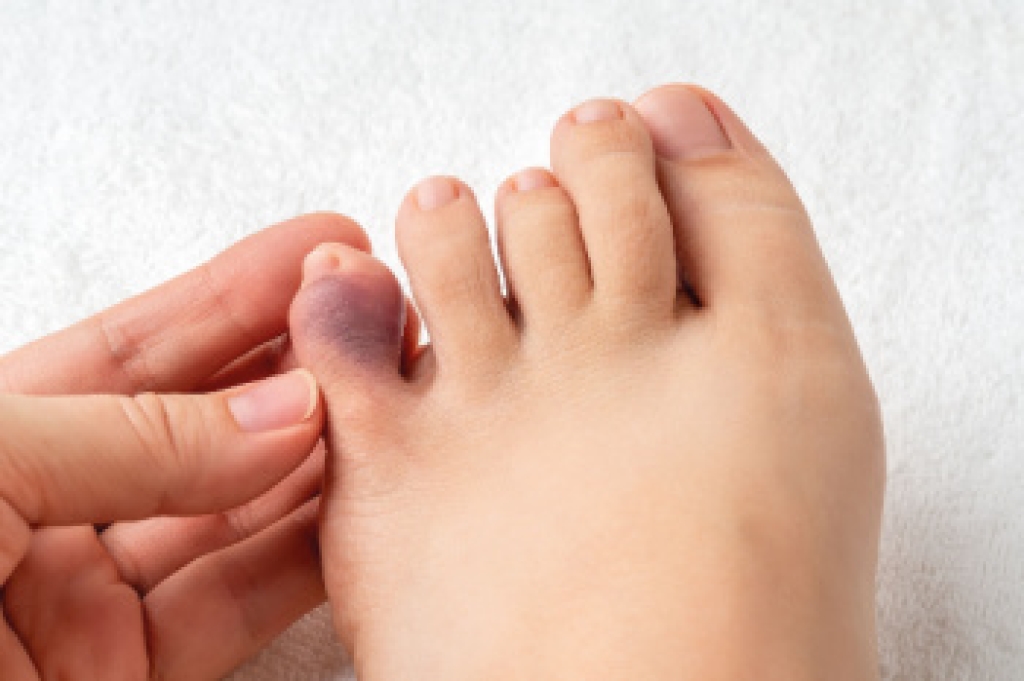
A broken toe occurs when one of the small bones in a toe cracks or breaks. The injury can range from a small hairline crack to a break in which pieces of bone move out of their normal position. Broken toes can result from stubbing a toe, dropping a heavy object on the foot, or forcefully bending a toe. A stress fracture, which is a small crack caused by repeated pressure, can also develop after a sudden increase in activities like running or walking. Symptoms include pain, swelling, and bruising. Some patients hear or feel a snap or pop when the injury happens. The injured toe can also appear crooked or out of position.
A podiatrist can evaluate a painful toe to determine whether a fracture is present and how serious the injury is. The examination can include checking the toe for tenderness, swelling, and changes in position. An X-ray can help confirm a fracture or determine whether the toe is dislocated. Treatment depends on which toe is injured and where the break is located. The severity of the fracture also affects treatment decisions. Injuries to the big toe can require more medical attention because this toe has an important role in balance and movement. A podiatrist can determine the appropriate treatment and monitor the toe as the bone heals.
Podiatric treatment for a broken toe focuses on keeping the injured bone in a proper position and protecting it while it heals. Depending on the fracture, a podiatrist can use buddy taping, a splint, or a cast to stabilize the toe. Buddy taping means securing the injured toe to a neighboring healthy toe for support. More serious fractures can require additional treatment, and surgery can be an option for a severe break. A podiatrist can also determine when it is safe to return to regular activities. Proper treatment is important because an untreated fracture can lead to lasting pain, limited movement, or a change in the toe's shape. If you have broken your toe, it is suggested that you schedule an appointment with a podiatrist for effective relief and treatment solutions.
Broken toes may cause a lot of pain and should be treated as soon as possible. If you have any concerns about your feet, contact Richard Galperin, DPM from Texas. Our doctor will treat your foot and ankle needs.
What Is a Broken Toe?
A broken toe occurs when one or more of the toe bones of the foot are broken after an injury. Injuries such as stubbing your toe or dropping a heavy object on it may cause a toe fracture.
Symptoms of a Broken Toe
Although the injured toe should be monitored daily, it is especially important to have a podiatrist look at your toe if you have severe symptoms. Some of these symptoms include worsening or new pain that is not relieved with medication, sores, redness, or open wounds near the toe.
If you have any questions please feel free to contact our office located in Oak Cliff area of Dallas, TX . We offer the newest diagnostic tools and technology to treat your foot and ankle needs.
