Orthotics for Medial Knee Osteoarthritis

Medial knee osteoarthritis is a degenerative joint condition that affects the inner portion of the knee where cartilage gradually wears down. This leads to pain, stiffness, and decreased function that can interfere with daily movement. Common symptoms include aching along the inner knee, swelling, reduced range of motion, and discomfort while walking or climbing stairs. Risk factors include aging, excess body weight, and previous injury. Abnormal lower limb alignment, such as overpronation of the foot, can contribute. These biomechanical issues can increase stress on the medial knee compartment and accelerate joint degeneration.

The underlying cause of medial knee osteoarthritis often involves uneven load distribution across the knee joint. When the foot rolls inward excessively, it alters the alignment of the ankle and knee. This shifts more pressure to the inner knee. This repeated stress contributes to cartilage breakdown, inflammation, and progressive pain. Without proper intervention, individuals may experience worsening symptoms and limited mobility. Addressing the mechanical cause is essential for improving outcomes and reducing joint strain.


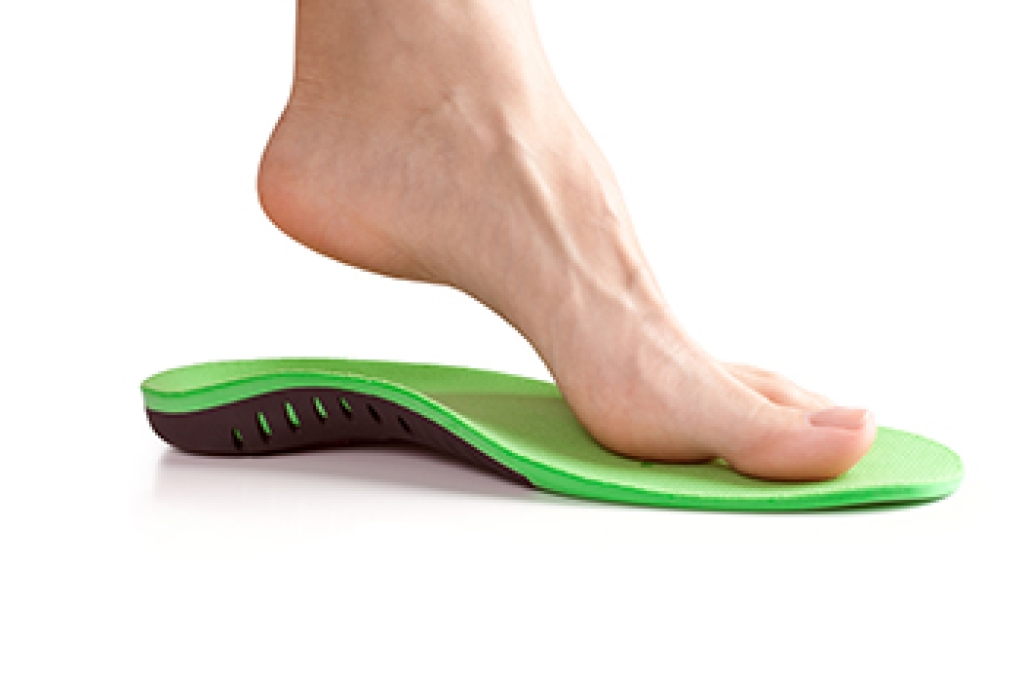
Orthotics are designed to support proper foot alignment and reduce abnormal forces that travel up the kinetic chain. By improving foot positioning, orthotics can help decrease excessive inward motion and reduce load on the medial knee compartment. These devices provide shock absorption, cushioning, and redistribution of pressure, which can relieve pain and improve walking efficiency. Orthotics also support flexible deformities in the foot, which enhances stability and promotes a more balanced gait pattern. This can lead to improved function and reduced discomfort during daily activities.


Incorporating orthotics into a treatment plan can be a practical and effective strategy for managing medial knee osteoarthritis. They are often used alongside exercise, weight management and supportive footwear to enhance results. Consistent use may help slow progression and improve quality of life by reducing pain and increasing mobility. If you have knee arthritis and want to learn how orthotics can help, it is suggested that you consult a podiatrist for effective treatment solutions.

Custom orthotics are specialized shoe inserts created to support and align the feet according to each person’s unique structure and walking pattern. They are an effective way to relieve foot discomfort caused by conditions such as flat feet, high arches, plantar fasciitis, bunions, and heel pain. When the natural alignment of the foot is off balance, it can lead to pressure points, strain, and pain that affect how a person stands, walks, and moves. Orthotics work by redistributing weight evenly and supporting the arch to reduce stress on the muscles, tendons, and joints of the feet and lower legs.

Foot discomfort can develop for many reasons, including wearing improper footwear, long hours of standing, repetitive motion, or underlying structural problems. Over time, this discomfort can extend beyond the feet, contributing to knee, hip, or lower back pain. Custom orthotics help correct these issues by improving alignment and promoting more efficient movement. They are made using precise measurements and imaging to ensure the best fit for each patient, providing targeted support and cushioning where it is needed most.

Unlike generic insoles, custom orthotics are durable, medically designed, and tailored to your specific needs. Whether you are managing chronic pain, recovering from an injury, or simply seeking better comfort and stability, orthotics can make a noticeable difference in how your feet feel throughout the day.

If you are experiencing persistent foot discomfort or fatigue, it may be time to have your feet evaluated by a podiatrist. Call our office today for more information or to schedule an appointment.

If you have any questions, please feel free to contact our office located in Oak Cliff area of Dallas, TX

Read more about Investing in Custom Orthotics Means Investing in Foot Health

Get Proper Treatment for Ankle Injuries

If you're experiencing ankle pain, you may be suffering from an ankle injury. Sprains, fractures, Achilles tendonitis, and Achilles tendon ruptures are just some examples of potential ankle injuries. Don't wait for care for an ankle injury, as it may worsen over time. We can help!

When Foot Swelling Requires Podiatry Treatment

Swelling of the feet is a common problem that can make standing, walking, and wearing shoes uncomfortable. It occurs when extra fluid builds up in the tissues of the feet, causing them to appear larger than normal. Foot swelling may develop after an injury or prolonged standing. It can also be linked to certain medical conditions that affect circulation or joint health. Many people notice tightness, aching, or tenderness along with the swelling. Others may have stiffness that limits normal movement or makes daily activities more difficult. Because swollen feet can have many causes, a professional evaluation is important to determine the source of the problem and the most appropriate treatment.


In some cases, swelling affects one foot, while other conditions cause both feet to become swollen. Persistent swelling may place added stress on the joints and soft tissues, making it more difficult to maintain normal mobility. Pain, skin changes, or difficulty bearing weight may indicate a more serious underlying condition that requires medical attention. A thorough podiatry evaluation helps identify whether the swelling is related to an injury, inflammation, or another foot problem. If needed, additional testing may be recommended to better understand the cause. Early diagnosis can help prevent complications and support better long-term foot health.


A podiatrist specializes in evaluating swollen feet and identifying conditions that affect foot structure and function. During an examination, the podiatrist assesses your symptoms, foot mechanics, and overall mobility to develop a personalized treatment plan. Professional care focuses on reducing discomfort, improving movement, and addressing the underlying cause of the swelling. Early podiatry care may also help prevent worsening symptoms and reduce the risk of long-term complications. If swelling of the feet is causing pain, limiting your mobility, or becoming more frequent, it is suggested that you consult a podiatrist for an evaluation and appropriate treatment options.

Swollen feet can be a sign of an underlying condition. If you have any concerns, contact Richard Galperin, DPM of Texas. Our doctor can provide the care you need to keep you pain-free and on your feet.

Swollen feet are a common ailment among pregnant women and people who stand or sit for extended periods. Aging may increase the possibility of swollen feet and patients who are obese often notice when their feet are swelling too. There may be medical reasons why swollen feet occur:

  • Phlebitis - A condition that causes the veins to become inflamed and can also cause leg pain.
  • Liver disease - This may lead to low blood levels of albumin which is a protein. This can cause fluid in the blood to pass into the tissues and several areas of the body can become swollen.
  • Heart failure - When the heart doesn’t pump properly the blood that is normally pumped back to the heart can pool in the veins of the legs causing swollen feet.
  • Kidney disease - One of the main functions of the kidneys is releasing excess fluid in the body. This type of condition can make it difficult for the kidneys to function properly, and as a result the feet may become swollen.
  • Deep-vein thrombosis (DVT)- This is a serious condition where blood clots form in the veins of the legs. They can block the return of blood from the legs to the heart which may cause the feet to swell. It is important to be treated by a podiatrist if this condition is present.

Swollen feet can also be caused by bone and tendon conditions, including fractures, arthritis, and tendinitis. Additionally, there may be skin and toenail conditions and an infection may cause the feet to swell. Patients who take medicine to treat high blood pressure may be prone to getting swollen feet. 

Many patients elevate their feet to help relieve the swelling and this is generally a temporary remedy. When a podiatrist is consulted the reason behind the swelling can be uncovered and subsequently treated.

If you have any questions please contact our office located in Oak Cliff area of Dallas, TX . We offer the newest diagnostic and treatment technologies for all your foot and ankle needs.

Read more about Swelling of the Feet

Choosing the Right Running Shoes for Comfort and Support

Selecting the right running shoes is essential for comfort, performance, and injury prevention. Running places repeated stress on the feet, making proper footwear a key factor in maintaining foot health. A well- chosen shoe supports natural movement, absorbs impact, and reduces strain on muscles and joints. Understanding how to choose the correct running shoe begins with evaluating where you plan to run and how much support your feet require.

Running shoes are designed with three main components that influence performance. The upper surrounds the foot and provides structure and breathability. The midsole delivers cushioning and shock absorption, helping to reduce impact during each step. The outsole is the bottom layer that contacts the ground and provides traction and durability. Each part works together to support stability and comfort, making it important to select a shoe that matches your activity level and running environment.


Different types of running shoes are designed for specific surfaces and training needs. Road running shoes are typically lightweight with flexible soles that support forward motion on smooth surfaces. Trail running shoes offer deeper tread patterns and added protection for uneven terrain. Cross training shoes provide versatility for gym workouts and lateral movements, but may not offer the same cushioning as dedicated running shoes. Choosing the correct type depends on your routine and the surfaces you use most often.


Risk factors for foot discomfort include wearing shoes that lack proper support, choosing the wrong type for your activity, or continuing to use worn out footwear. Symptoms such as foot pain, fatigue, or instability may indicate that a shoe change is needed. Proper fit and support can improve performance and reduce injury risk. If you have foot pain during or after running, it is suggested that you consult a podiatrist for effective treatment solutions and guidance on choosing the right running shoes. 

For more information about walking shoes versus running shoes, consult with Richard Galperin, DPM from Texas. Our doctor can measure your feet to determine what your needs are and help you find an appropriate pair of footwear.

Foot Health: The Differences between Walking & Running Shoes

There are great ways to stay in shape: running and walking are two great exercises to a healthy lifestyle. It is important to know that running shoes and walking shoes are not interchangeable. There is a key difference on how the feet hit the ground when someone is running or walking. This is why one should be aware that a shoe is designed differently for each activity.

You may be asking yourself what the real differences are between walking and running shoes and the answers may shock you.

Differences

Walking doesn’t involve as much stress or impact on the feet as running does. However, this doesn’t mean that you should be any less prepared. When you’re walking, you land on your heels and have your foot roll forward. This rolling motion requires additional support to the feet.

Flexibility – Walking shoes are designed to have soft, flexible soles. This allows the walker to push off easily with each step.

If you have any questions, please feel free to contact our office located in Oak Cliff area of Dallas, TX . We offer the newest diagnostic and treatment technologies for all your foot care needs.

Read more about Differences between Walking and Running Shoes

High Heels and Common Foot Problems

Foot problems caused by wearing high heels are a frequent concern, especially among people who wear them daily for work or social settings. High heels shift body weight forward, placing excessive pressure on the forefoot and toes. This unnatural position can lead to structural changes over time. Common conditions linked to high heel use include hammertoe and neuromas, both of which develop from repeated stress and compression. The altered foot position can also affect posture and disrupt natural walking patterns.


Symptoms often begin with mild discomfort, but can progress to more serious issues. Individuals may notice pain in the ball of the foot, swelling, redness, and burning sensations. Numbness may develop due to nerve irritation, especially in cases of neuroma. Hammertoe can cause visible bending of the toe joints, leading to friction and irritation in shoes. High heels also limit the power and motion of the ankle joint, reducing flexibility and increasing strain on surrounding muscles and tendons.


Risk factors include frequent use of wearing narrow or high-heeled shoes, prolonged standing, and poor foot support. Individuals with certain foot structures, such as high arches or imbalanced gait, may be more prone to developing complications. The instability created by elevated heels can increase the risk of falls and ankle injuries. Over time, these factors contribute to long term damage and discomfort if not addressed early.


Preventing foot problems begins with choosing supportive footwear and limiting the duration of high heel use. Stretching exercises and proper foot care can help maintain flexibility and reduce strain. Alternating shoe types and ensuring a proper fit can also improve comfort and alignment. If you have persistent foot or ankle pain from wearing high heels, it is suggested that you consult a podiatrist for effective relief tips and guidance on choosing more appropriate footwear.

High heels have a history of causing foot and ankle problems. If you have any concerns about your feet or ankles, contact Richard Galperin, DPM from Texas. Our doctor can provide the care you need to keep you pain-free and on your feet.

Effects of High Heels on the Feet

High heels are popular shoes among women because of their many styles and societal appeal.  Despite this, high heels can still cause many health problems if worn too frequently.

Which Parts of My Body Will Be Affected by High Heels?

  • Ankle Joints
  • Achilles Tendon – May shorten and stiffen with prolonged wear
  • Balls of the Feet
  • Knees – Heels cause the knees to bend constantly, creating stress on them
  • Back – They decrease the spine’s ability to absorb shock, which may lead to back pain.  The vertebrae of the lower back may compress.

What Kinds of Foot Problems Can Develop from Wearing High Heels?

  • Corns
  • Calluses
  • Hammertoe
  • Bunions
  • Morton’s Neuroma
  • Plantar Fasciitis

How Can I Still Wear High Heels and Maintain Foot Health?

If you want to wear high heeled shoes, make sure that you are not wearing them every day, as this will help prevent long term physical problems.  Try wearing thicker heels as opposed to stilettos to distribute weight more evenly across the feet.  Always make sure you are wearing the proper shoes for the right occasion, such as sneakers for exercising.  If you walk to work, try carrying your heels with you and changing into them once you arrive at work.  Adding inserts to your heels can help cushion your feet and absorb shock. Full foot inserts or metatarsal pads are available. 

If you have any questions, please feel free to contact our office located in Oak Cliff area of Dallas, TX . We offer the newest diagnostic and treatment technologies for all your foot care needs.
Read more about Why High Heels Are Not Ideal for Healthy Feet
Advanced Podiatric Procedures & Services in the areas