Orthotic Treatment for Bunions and Achilles Tendinosis

Bunions, hammertoe, and Achilles tendinosis are foot problems that can cause pain and limit movement. These conditions often develop from poor foot alignment, muscle imbalance, or repeated stress on the feet and lower legs. A bunion forms when the big toe shifts out of place, while hammertoe causes the smaller toes to bend in an abnormal way. Achilles tendinosis affects the tendon at the back of the heel, leading to stiffness and aching. Symptoms include swelling, tenderness, toe deformity, and pain when walking or standing. Orthotic treatment can help by supporting the foot, improving alignment, and reducing pressure on affected areas. This support helps the body move more evenly and lowers strain on joints and soft tissues. With better balance in the foot, pain may decrease and movement can improve. If foot pain is limiting your activity, it is suggested that you schedule an appointment with a podiatrist to see if orthotics are the right treatment for you. 

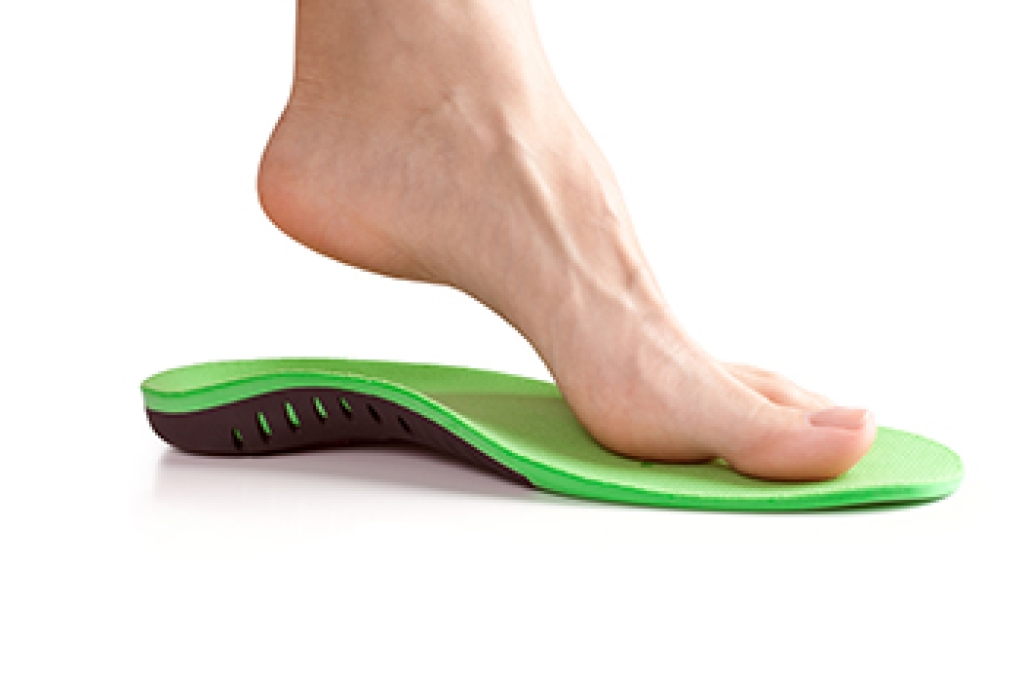
Custom orthotics can make a remarkable difference in daily comfort and mobility by supporting the feet in their most natural and balanced position. Because the feet form the foundation for the entire body, any imbalance can affect not only how a person walks, but also how the knees, hips, and spine align. Over time, this can lead to fatigue, pain, or reduced movement. Custom orthotics are designed to restore stability and promote proper alignment, which can transform the way a person feels and functions throughout the day.

People who wear custom orthotics often experience improved posture, less joint strain, and greater endurance during work, exercise, and leisure activities. The support they provide helps relieve chronic discomfort from conditions such as plantar fasciitis, flat feet, and heel pain, while also reducing the risk of future injuries. For those who stand for long hours or engage in sports, orthotics can make movement smoother and more efficient, allowing the body to perform at its best without unnecessary stress.

Each pair of custom orthotics is created after a detailed evaluation of foot structure, gait, and pressure distribution. By addressing each person’s unique needs, they offer comfort and confidence with every step.

If you are experiencing ongoing foot discomfort or fatigue, it is suggested that you contact our office for more information or to make an appointment.

If you have any questions, please feel free to contact our office located in Oak Cliff section of Dallas, TX

Read more about Sole Marketing Foot Discomfort

Types of Ankle Fractures

Ankle fractures often involve one or more of the three bones that form the ankle joint. These bones, the tibia, fibula, and talus, work together to support body weight and allow the foot to move smoothly. When one or more of them break, the ankle can become painful, swollen, and unstable. A fracture of the fibula is the most common ankle break and usually occurs on the outer side of the ankle after a twisting injury. Tibia fractures may involve the inner ankle and can affect the stability of the entire joint. In more severe injuries, the talus can also be damaged. Because the talus connects the leg to the foot and helps transfer body weight, a fracture in this bone may cause deep ankle pain, swelling, and difficulty walking. A podiatrist evaluates ankle fractures through physical examination and X-rays to determine the exact location and severity of the injury. Treatment may include immobilization, limited weight bearing, targeted exercises during recovery, or surgery if the joint is unstable. If you think you may have a broken ankle, it is suggested that you make an immediate appointment with a podiatrist.

test

Read more about All About Broken Ankle

Understanding Recovery From Sever’s Disease

Sever’s disease is a painful condition that affects children, usually between ages 8 and 14. It involves inflammation of the heel’s growth plate, an area of developing bone. Sever’s disease often develops when repeated stress from running or jumping irritates the heel. In addition, a tight Achilles tendon can pull on the bone and increase the strain. Recovery focuses on reducing pressure so the area can heal as the child continues to grow. A podiatrist can examine the foot and confirm the diagnosis. Factors like flat feet or poor alignment can add stress to the heel. Imaging tests may be used to rule out other injuries. Treatment options include custom orthotics, heel-supporting devices to reduce pressure, and bracing to limit movement during healing. If your active child complains of heel pain, it is suggested that you make an appointment with a podiatrist for help.

Sever's disease often occurs in children and teens. If your child is experiencing foot or ankle pain, see Richard Galperin, DPM from Texas. Our doctor can treat your child’s foot and ankle needs.

Sever’s Disease

Sever’s disease is also known as calcaneal apophysitis, which is a medical condition that causes heel pain I none or both feet. The disease is known to affect children between the ages of 8 and 14.

Sever’s disease occurs when part of the child’s heel known as the growth plate (calcaneal epiphysis) is attached to the Achilles tendon. This area can suffer injury when the muscles and tendons of the growing foot do not keep pace with bone growth. Therefore, the constant pain which one experiences at the back of the heel will make the child unable to put any weight on the heel. The child is then forced to walk on their toes.

Symptoms

Acute pain – Pain associated with Sever’s disease is usually felt in the heel when the child engages in physical activity such as walking, jumping and or running.

Highly active – Children who are very active are among the most susceptible in experiencing Sever’s disease, because of the stress and tension placed on their feet.

If you have any questions, please feel free to contact our office located in Oak Cliff section of Dallas, TX . We offer the newest diagnostic and treatment technologies for all your foot care needs.

Read more about Sever's Disease

Reminder: When Was the Last Time...?

Custom orthotics, or shoe inserts, should be periodically replaced. Orthotics must fit properly to give you the best results. Protect your feet and ankles!

Understanding the Different Causes of Pain Beneath the Heel

Pain under the heel is a frequent complaint and can stem from several conditions. The most common cause is plantar fasciitis involving irritation of the thick band of tissue that supports the arch. This often leads to sharp discomfort with the first steps in the morning, or after long periods of rest. Tenderness is usually felt along the bottom of the heel. Another source may be a stress injury to the heel bone. This type of pain often worsens with activity, and may feel deeper or more constant. Nerve irritation can also create burning, tingling, or shooting sensations that travel into the arch. In some cases, thinning of the natural fat pad under the heel reduces cushioning and leads to soreness when standing on hard surfaces. Because symptoms can overlap, a careful examination is important. If you have ongoing pain beneath your heel, it is suggested that you see a podiatrist for a proper diagnosis and appropriate treatment.

Many people suffer from bouts of heel pain. For more information, contact Richard Galperin, DPM of Texas. Our doctor can provide the care you need to keep you pain-free and on your feet.

Causes of Heel Pain

Heel pain is often associated with plantar fasciitis. The plantar fascia is a band of tissues that extends along the bottom of the foot. A rip or tear in this ligament can cause inflammation of the tissue.

Achilles tendonitis is another cause of heel pain. Inflammation of the Achilles tendon will cause pain from fractures and muscle tearing. Lack of flexibility is also another symptom.

Heel spurs are another cause of pain. When the tissues of the plantar fascia undergo a great deal of stress, it can lead to ligament separation from the heel bone, causing heel spurs.

Why Might Heel Pain Occur?

  • Wearing ill-fitting shoes                
  • Wearing non-supportive shoes
  • Weight change           
  • Excessive running

Treatments

Heel pain should be treated as soon as possible for immediate results. Keeping your feet in a stress-free environment will help. If you suffer from Achilles tendonitis or plantar fasciitis, applying ice will reduce the swelling. Stretching before an exercise like running will help the muscles. Using all these tips will help make heel pain a condition of the past.

If you have any questions, please feel free to contact our office located in Oak Cliff section of Dallas, TX . We offer the newest diagnostic and treatment technologies for all your foot care needs.
Read more about Heel Pain
scroll to top